Many students ask how to set up home theater without spending a fortune. You can create an amazing viewing space for plays and movies right in your own room. The right approach transforms an ordinary space into a true media art center.
We show you every step of this process. You use knowledge from theater production to improve your home viewing experience.
Choosing The Right Room
Room size determines your equipment type. You analyze the space before buying any gear.
Rectangular rooms provide the best acoustics. You avoid square spaces due to frequent sound echo problems.
Dark walls absorb excess light from the screen. You paint the room in matte shades of gray or blue.
Screen Or Projector
Students often choose between a television and a digital projector. Each option brings specific advantages.
- Televisions deliver bright images in light rooms
- Projectors create a large cinema atmosphere
- Modern screens support high detail resolution
- Roll-up screens save valuable floor space
You install the screen at the viewer eye level. This prevents neck strain during long movie marathons.
Configuring The Sound System
Proper audio conveys all actor emotions on stage. You pay maximum attention to speaker placement.
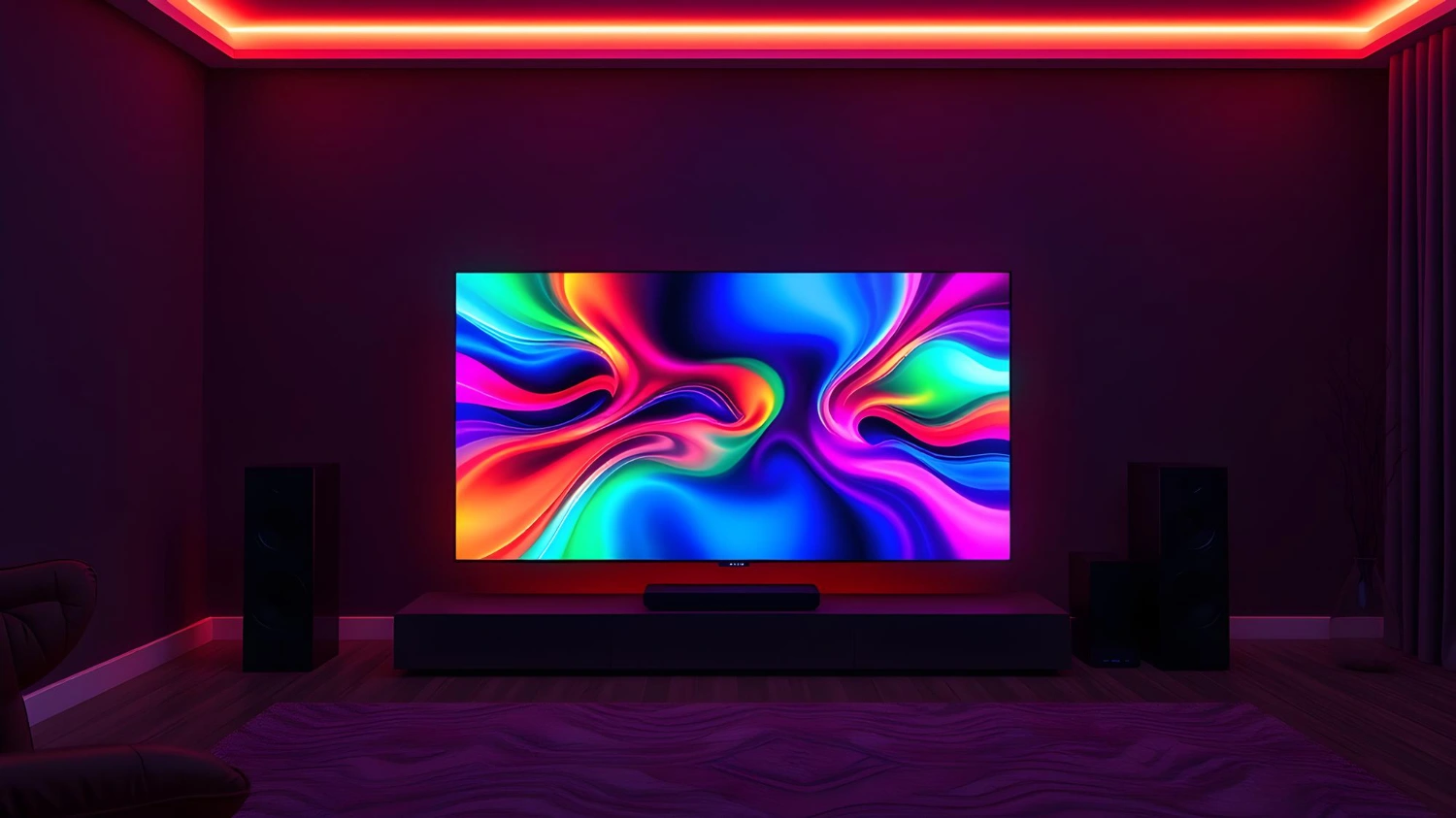
The center channel plays most dialogue. You place it directly under or above the screen.
Front speakers build a wide sound stage. You position them on the sides of the screen at a slight angle.
Rear speakers provide spatial sound volume. You install them behind the seating area.
The subwoofer adds deep low frequencies. You place it in the room corner for maximum impact.
Connecting Media Players
A high-quality receiver acts as the brain of your system. It gathers all audio and video signals together.
You connect all devices using modern premium cables. This guarantees signal transmission without data loss.
Media students often use computers as their main source. You easily configure streaming video from archives.
Lighting And Atmosphere
Light completely changes how you perceive visual content. You control every light beam in your space.
Thick curtains block sunlight from the windows. You create total darkness even during the day.
Hidden LED strips add viewing comfort. You set them to minimum brightness levels.
Acoustic Treatment
Hard surfaces reflect sound and create unpleasant echoes. You add soft materials to absorb these waves.
A thick floor rug significantly improves overall acoustics. You also hang acoustic panels on the bare walls.
Selecting Theater Seating
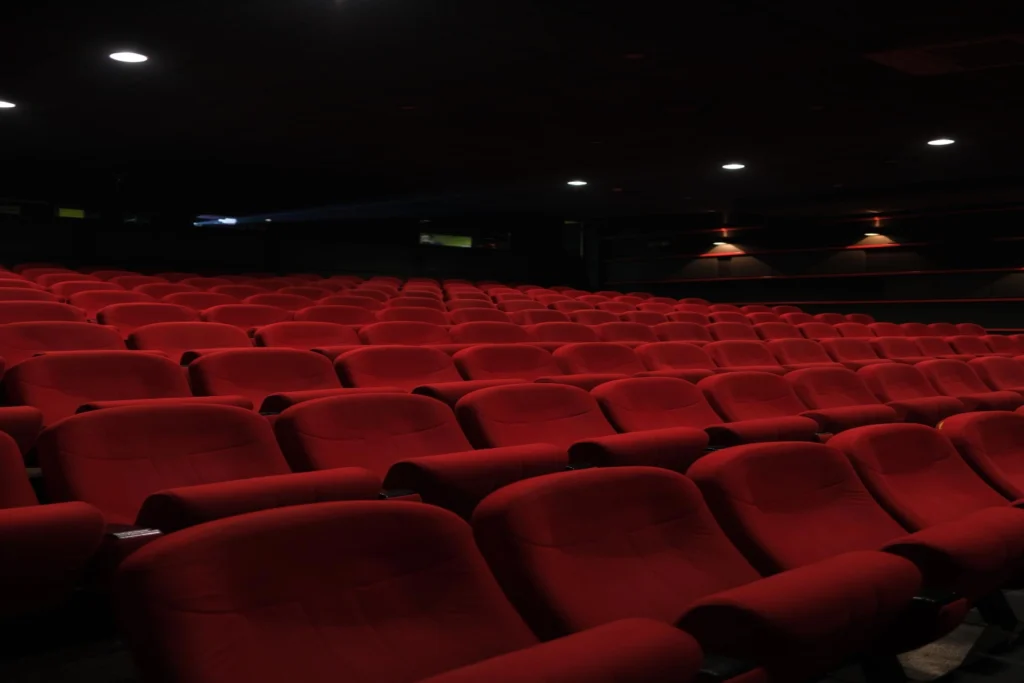
Audience comfort matters greatly during long performances. You select plush chairs or a large sofa for your room.
Furniture must never block the sound from your speakers. You leave plenty of space between chairs and walls.
You place the primary seat exactly in the center. This specific spot receives the absolute best audio and video quality.
Cable Management
Hundreds of loose wires ruin the look of a great room. You use special channels to hide all cables completely.
You label every wire near the receiver for quick access. This saves you hours of time during future system upgrades.
You keep power cables far away from audio wires. This prevents annoying electrical noise in your speakers.
Image Calibration
Factory screen settings rarely fit typical room conditions. You spend time adjusting brightness and contrast properly.
You use specific test patterns for accurate calibration. This ensures you see precise actor skin tones.
You turn off all automatic motion enhancements on your television. These features create an artificial effect that ruins the theatrical magic.
Budget Alternatives For Students
Building a home theater does not require massive funds. You find excellent used equipment at local estate sales.
Older audio receivers often sound better than cheap modern units. You buy premium gear from past generations.
You build acoustic panels from basic hardware store materials yourself. This saves your budget and delivers outstanding results.
Analyzing Theatrical Productions
Your new theater becomes the perfect study environment. You watch classic stage plays with maximum visual detail.
You pause the video to study complex blocking patterns. The high-quality screen lets you see tiny set details.
Great sound reveals all nuances of vocal performances. You hear every breath and intonation change on stage.
Professional Stage Tips
Stage technicians recommend checking your speaker phase always. You make sure all speaker cones push air together.
You update your receiver software regularly. Manufacturers frequently add useful new audio features.
You clean all cable contacts every few months. This maintains a stable signal transfer for many years.
Building Your Collection
True enthusiasts collect physical copies of their favorite shows. You buy high-definition discs for your personal archive.
Physical media delivers much better sound than compressed streaming services. You feed uncompressed audio tracks directly to your system.
You catalog your collection to find specific plays quickly. This helps you immensely during exam preparation.
Shared Screenings With Peers
You invite other students over to discuss the viewed material. Your space becomes a central hub for creative discussions.
Every guest brings fresh ideas for system tweaking. You constantly improve your home theater setup.
You create a schedule of regular screenings for your group. This unites the team and expands everyone’s artistic perspective.